Why Your Water Heater Is Making Noise
Most water heater sounds have a simple cause, and the sound itself usually tells you whether to flush the tank, adjust a valve or call a plumber.
Water heater making noise? What each sound means
A water heater making noise is common, especially in an older tank. This table matches the sound to its usual cause.
Sediment, the most common cause of noise
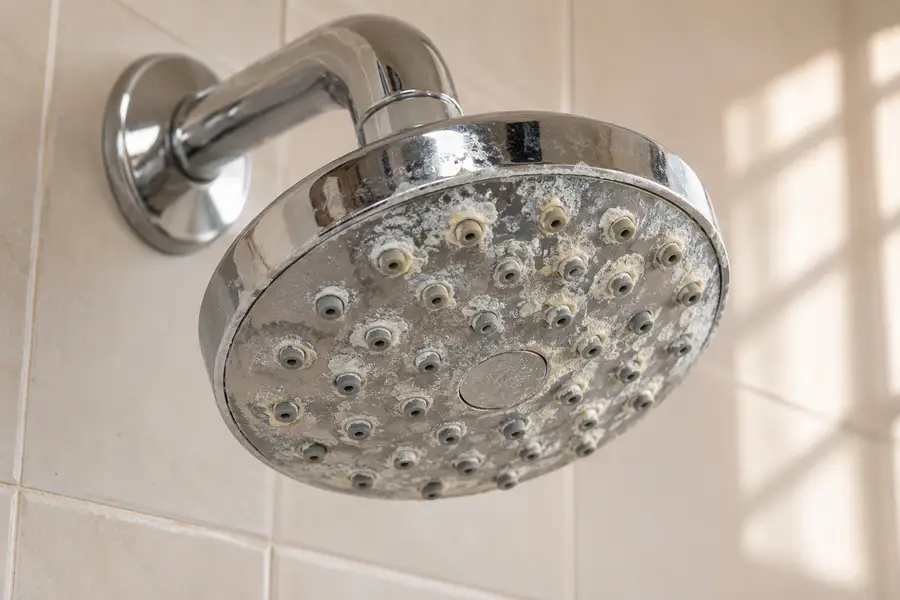
As the tank heats, the minerals carried in the water drop out and collect on its floor. Over time they form a layer that traps pockets of water underneath.
When the burner heats that trapped water, it boils into steam bubbles that pop through the sediment. The noise is harmless at first, but the layer makes the heater work harder and wears the tank out sooner.
Flush the tank to quiet the popping
Flushing removes loose sediment. Take care, because the water in the tank is hot.
Turn off the heat
Electric tanks get the breaker switched off, and gas tanks go to the pilot setting.
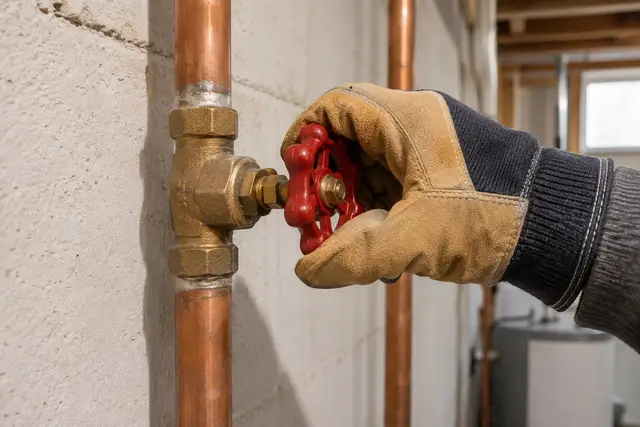
Close the cold supply
Shut the valve on the cold line above the tank.
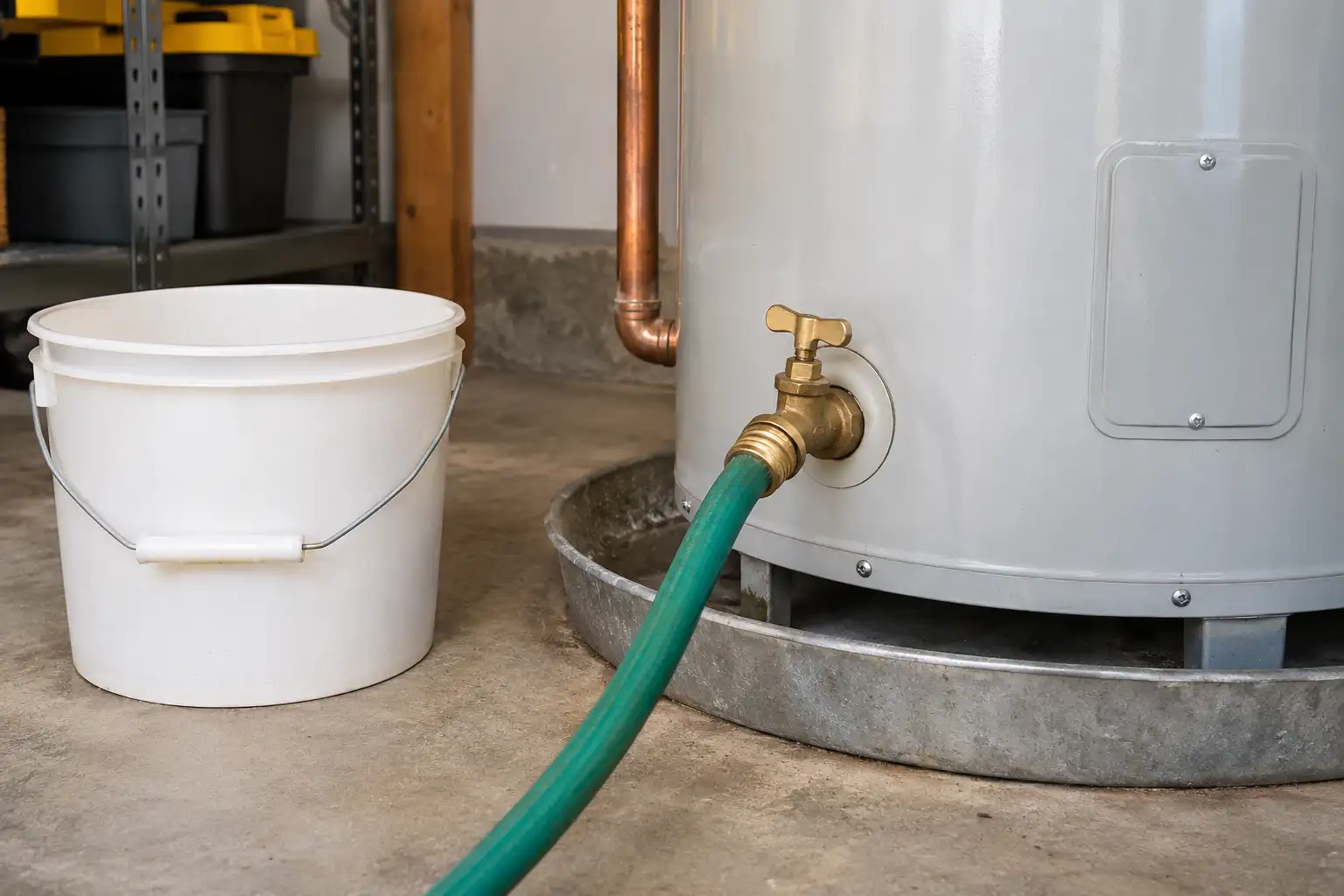
Attach a hose
Connect a garden hose to the drain valve and run it to a floor drain or outside.
Drain a few gallons
Open the drain valve and a hot tap in the house until the water runs clear.
Refill before heating
Close the drain, open the cold supply and let the tank fill before turning the heat back on.
Sounds you can live with and sounds to check
Call a plumber
- Hissing with water pooling under the tank
- Popping that keeps getting louder after a flush
- Screeching from the relief valve area
- Any noise with a smell of gas nearby
Usually harmless
- Light ticking as pipes warm up
- Mild rumbling in an older tank
- A brief click when the burner lights
- Soft humming from an electric element
When the noise means the tank is failing
A water heater making noise even after a flush, with loud and constant popping, can mean the sediment has hardened and will not come out. Combined with rusty water or water around the base, it often means the tank is wearing out.
A plumber can check the tank, the relief valve and the burner or elements, and tell you whether a water heater repair makes sense or replacement is the better choice.
- Rusty or cloudy hot water
- Water collecting around the base of the tank
- Showers that turn cold sooner than they once did
Keep the tank quiet for longer
Flush yearly
An annual flush keeps sediment from building a thick layer.
Check the pressure
High house pressure adds strain and noise to the whole system.
Replace the anode rod
A fresh rod protects the tank lining from corrosion.
If the noise comes with a leak, our guide to the first hour after a leak shows how to make the tank safe.
Gas and electric tanks sound different
The type of heater changes which sounds are normal and which deserve a closer look.
- Gas tank, rumbling
- The burner heats sediment directly, so popping and rumbling are more common and usually louder.
- Gas tank, a whoosh when it starts
- A soft whoosh as the burner lights is normal. A loud bang on ignition is not and should be checked.
- Electric tank, crackling
- Scale on a heating element crackles as water touches the hot surface.
- Electric tank, humming
- A loose element or vibration in the wiring area makes a low hum.
- Either type, dripping sizzle
- Water falling onto a hot surface from a leak sizzles and should be traced.
Noise from the pipes rather than the tank
Not every sound near the water heater comes from the tank. Hot water pipes expand as they warm and tick against the joists or straps that hold them. The ticking fades as the pipes reach temperature.
Banging when a faucet or the washing machine shuts off is water hammer. It strains joints throughout the house, and an arrestor fitted near the valve that slams usually quiets it.
- Ticking that fades after a few minutes is usually harmless
- Banging after a valve closes points to water hammer
- A steady whistle can mean a valve is partly closed
Checking the relief valve safely
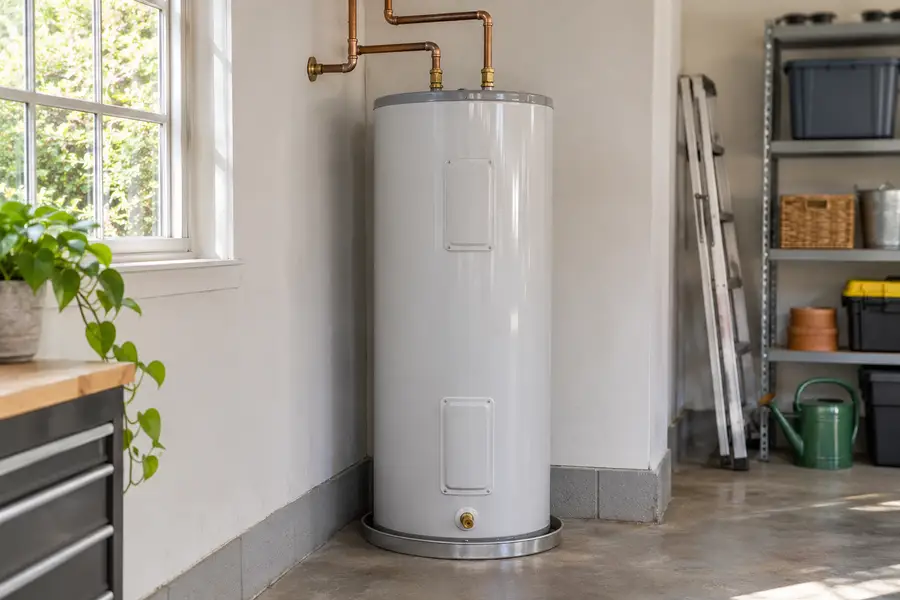
The temperature and pressure relief valve sits on the side or the top of the tank, with a pipe running down toward the floor. It is the part that protects the tank if the temperature or pressure ever climbs too high.
Once a year, place a bucket under the end of the pipe and lift the small lever on the valve for a second or two. A short burst of hot water should come out, then stop when you let go.
If nothing comes out, the valve may be stuck. If it keeps dripping after you release the lever, it may not be sealing. Either way, have it checked, because this valve should always work when it is needed.
The water from the relief valve is very hot. Keep hands and feet clear of the pipe while you test it.
Noises that are not the water heater at all
Some sounds people blame on a water heater making noise come from elsewhere in the house.
Banging pipes
Water hammer when a valve closes quickly, often at the washer or dishwasher.
Running water at night
A toilet refilling on its own, not the heater filling.
A whine at the meter
Pressure that runs too high can make the supply whine as it flows.
Gurgling drains
Air pulled through a trap when another fixture drains.
If a toilet is the culprit, our guide to a toilet that keeps running shows the checks.
What people ask about a rumbling tank
- Is it dangerous if my water heater is making noise?
In most cases it is not. A water heater making noise from sediment is common and harmless at first.
Hissing with a leak, screeching from a valve or any noise with a gas smell should be checked right away.
- How many times a year should the tank be flushed?
Once a year suits most homes. Homes with hard water may benefit from flushing more often, since sediment builds up faster when the water carries more minerals.
- Why did the noise start after I flushed the tank?
Flushing can loosen hard sediment that then shifts around the bottom of the tank.
If the noise does not settle after a few days, a second flush or a plumber visit can help.
- What is water hammer?
Water hammer is a banging sound when a tap or appliance valve closes quickly and the moving water stops suddenly. A plumber can add an arrestor or adjust the pressure to stop it before it loosens joints.
- Can a noisy water heater explode?
Explosions are very rare because the temperature and pressure relief valve releases excess pressure.
Never block or cap that valve, and have it checked if it leaks, drips or screeches.
- Should I call about a humming electric water heater?
A soft hum is usually a loose element and is not urgent. If it comes with no hot water or a tripped breaker, have the heater checked. Our water heater repair page explains the common fixes.
- Does a noisy tank use more energy?
It often does. Sediment insulates the water from the burner or the lower element, so the heater runs longer to reach the same temperature. Flushing restores some of that efficiency.
- When is a noisy water heater a reason to replace it?
When the noise comes with rusty water, a leak from the tank body or hot water that runs out much faster than before. Together those signs usually mean replacement is close.
- Should I drain the whole tank or just a few gallons?
A few gallons is usually enough for a yearly flush, as long as the water runs clear by the end.
A tank that has not been flushed in years may need longer, and if the drain valve clogs with sediment, a plumber can clear it.
- Is a noisy water heater a sign it will fail soon?
Noise alone does not mean failure is near. Many tanks pop for years before anything else goes wrong.
Noise combined with rusty water, a leak at the base or hot water that runs out quickly is the combination to watch for.