Leak Detection in Twin Falls, ID
If a stain keeps spreading, a floor feels damp or the meter turns with every tap closed, call us and a plumber can trace the hidden leak.
The ten minute meter test
Leak detection in Twin Falls often begins with a meter check anyone can run at home. It shows whether water is going somewhere before you search anywhere else.
Close every tap
Turn off faucets, the dishwasher, the washer and anything that uses water.
Find the meter
Most meters sit under a lid in a box by the curb. Lift it with care.
Note the reading
Write down the numbers or watch the small flow indicator.
Wait ten minutes
Do not use any water while you wait.
Check again
If the reading changed or the indicator moved, water is leaking somewhere.
Signs of a leak hidden in the house
Hidden leaks rarely announce themselves with a puddle. These quieter signs are worth taking seriously.
Spreading stains
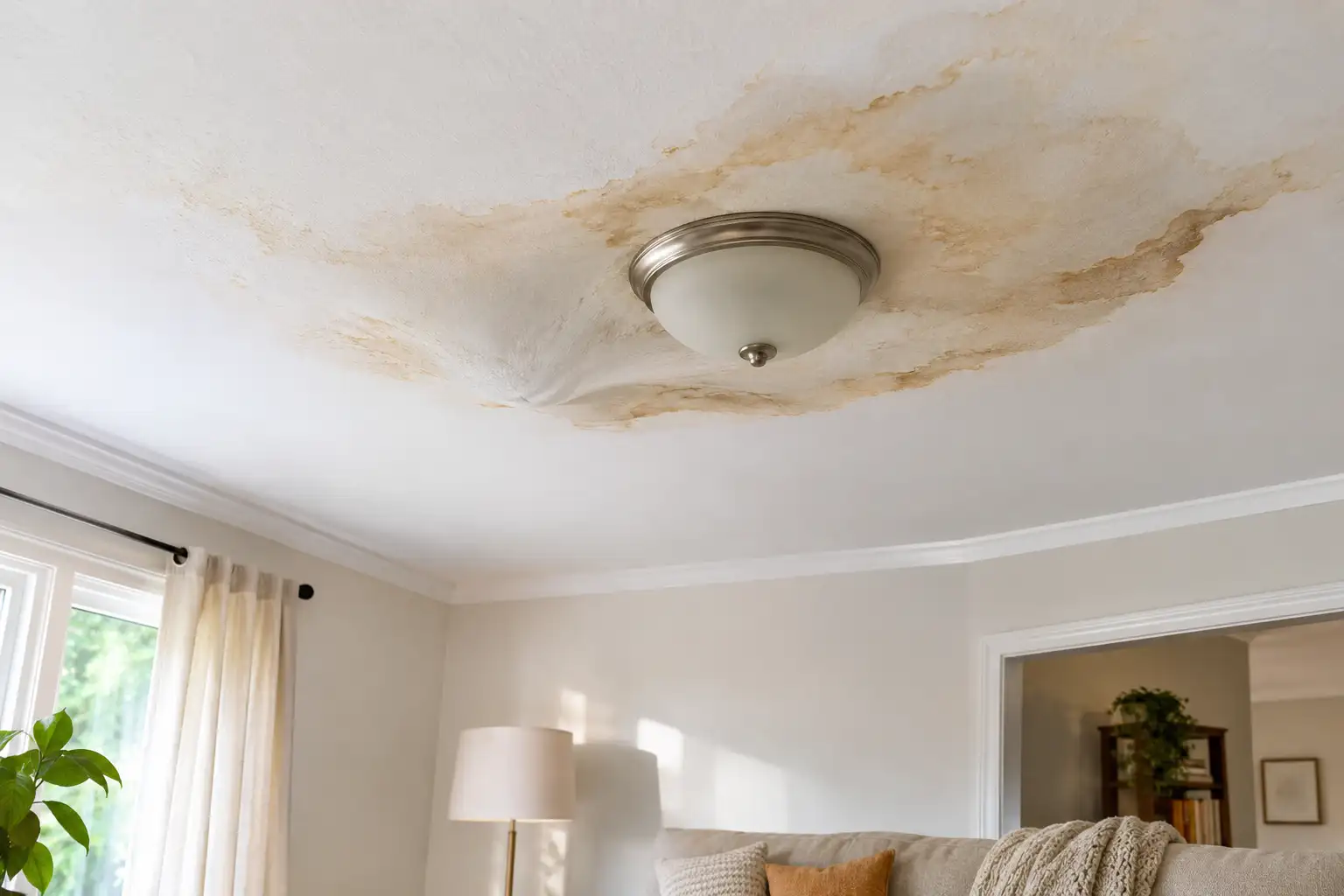
Brown rings on a ceiling or wall that grow slowly over days.
Soft or warped floors
Flooring that lifts, cups or feels spongy near a bathroom or kitchen.
A musty smell
A damp odor in a closet or cabinet with no clear source.
Running water sounds
A trickle you can hear in a wall when nothing is turned on.
Rising water use
More water used than usual without a change in household habits.
Bubbling paint
Paint or wallpaper that bubbles and peels near plumbing.

Finding the leak without tearing out walls
Good leak detection in Twin Falls homes finds the leak precisely, so only a small area needs to be opened.
The plumber combines pressure tests, moisture readings and a careful look at the route of the pipes to narrow the search. Water runs along joists and pipes before it shows, so a stain can appear well away from the real source.
Once the source is clear, you hear exactly where it is and what repairing it involves.
-
Pressure testing
Isolating sections of pipe shows which one is losing water.
-
Moisture readings
Readings on walls and floors show where water has spread.
-
Tracing the route
Following the pipe layout leads from the stain back to the source.
The usual starting points for a hidden leak
Most hidden leaks start at a joint, a valve or a fitting rather than in the middle of a straight pipe. Connections behind a toilet, a shower valve or a dishwasher are common culprits.
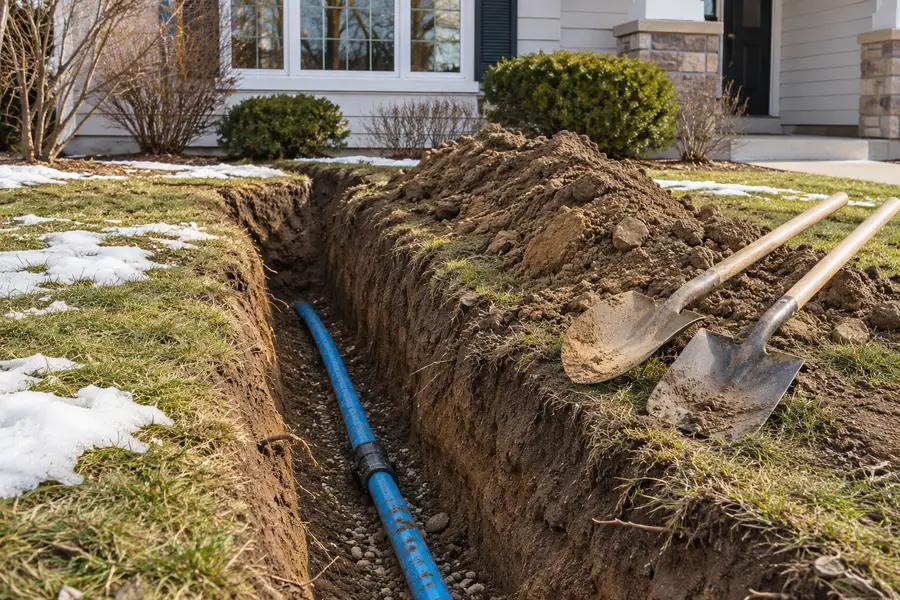
Slab and under floor leaks are harder to spot because the water soaks into the ground or the subfloor first. A warm spot on a floor or a meter that never stops can be the only clue.
- Shower and tub valves behind the wall
- Supply lines to toilets, sinks and dishwashers
- Drain connections under bathtubs
- Pipes running under the floor or through the slab
A leak you can wait on, and one you cannot
Call right away
- A ceiling that sags or drips
- Water near electrical outlets or fixtures
- A stain that grows visibly within hours
- Running water sounds that never stop
Book a visit soon
- A meter test that shows a slow leak
- A musty smell without visible water
- A small stain that has not changed in days
- Water use that crept up over a few months
What to do while you wait
If you can tell which fixture is involved, close its small shutoff valve. If not, and the leak is active, close the main water valve until the plumber arrives.
Move furniture and belongings away from the damp area, and keep the room warm and ventilated so materials can begin to dry. Our guide to the first hour after a leak lists each step.
Where water travels before you see it
Water follows the easiest path down and sideways. That path explains why stains rarely sit right under the leak.
- Along joists
- Water runs along the top or bottom of a floor joist and drips off at a low point, often several feet away.
- Down pipes and wires
- A pipe or cable passing through a floor acts like a channel and carries water to the room below.
- Into insulation
- Fiberglass and cellulose soak up water and hold it for days, hiding a slow leak.
- Under flooring
- Laminate, vinyl and carpet pad spread water sideways before any of it shows at the surface.
Leak detection questions
- How would I know about a leak I cannot see?
Run the meter test on this page. If the meter moves while every tap is closed, water is escaping somewhere and it is time to call.
Spreading stains, a musty smell and a floor that feels soft are the other common signs.
- Does finding a leak mean cutting open the wall?
Usually only a small area needs to be opened once the leak has been located precisely. Careful tracing with pressure tests and moisture readings is what keeps the opening small and the repair tidy.
- Why is there a stain far from any pipe?
Water runs along joists, pipes and drywall before it shows up, so the stain often appears some distance from the actual leak. The plumber works back from the stain along those paths to find the source.
- Can a toilet cause a hidden leak?
Yes. A worn wax seal or a loose supply line can leak under the floor around a toilet without leaving much water on top.
A stain on the ceiling below a bathroom, or a toilet that rocks, are both good reasons to have the seal checked.
- How serious is a slow leak?
A slow leak can soak wood, insulation and drywall for weeks, which leads to rot and mold. It is worth finding early, even if it seems small, because the damage it causes grows long after the leak itself is noticed.
- What is a slab leak?
That name covers a pipe leaking beneath a concrete floor. Look for warm patches underfoot, a hiss of water with every tap closed, and a meter dial that keeps turning.
- Can I find a leak myself before calling?
You can narrow it down. Run the meter test, check under every sink and behind every toilet, and look at the ceiling below each bathroom. If the meter still moves and nothing is visible, the leak is hidden and needs tracing.
- What should I do if water is dripping through a light fixture?
Switch off the power to that room at the breaker panel first and keep everyone away from the fixture. Then close the main water valve and call. Our guide to the first hour after a leak covers the steps in order.
- Can a leak raise my water use without any visible sign?
Yes. A toilet leaking into the bowl, a buried line or a pipe under the floor can all run for weeks without a drop showing. Watching the meter with every tap closed answers the question fastest.
Repairs that often follow a leak
Meter moving with every tap off? Call us.
A licensed Twin Falls plumber can trace the leak and explain the repair.
Trace it
Pressure and moisture checks narrow the search.
Pinpoint it
Only a small area needs opening.
Repair it
The fix is explained before work starts.